About the Exhibition
What can an ordinary object tell us about the ways people change one another—and about what it means to be American?
For more than six decades, Peace Corps Volunteers have lived and worked alongside communities around the world. They carried pieces of home with them—books, photographs, music, clothing, expectations, skills, and ideas about America. They encountered people with their own histories, knowledge, traditions, aspirations, and ideas about the United States. And when Volunteers returned home, they carried something different back.
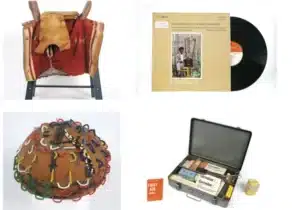
65 Objects That Changed the World tells this history through the things people carried, used, made, exchanged, saved, and brought home.
These are not monuments to diplomacy. They are ordinary things that became witnesses to extraordinary encounters.
Through 65 objects, photographs, oral histories, and first-person accounts, the exhibition explores what happened when Americans and communities around the world met across differences of language, culture, race, nationality, history, and power. The stories are sometimes joyful and sometimes complicated: friendship and service, identity and belonging, misunderstanding and discovery, assumptions challenged, relationships formed, and lives redirected.
Presented as the Peace Corps marks its 65th anniversary and the United States commemorates its 250th, the exhibition considers America not as a finished story, but as a nation continually shaped by encounters with others. Peace Corps Volunteers carried American ideals and assumptions into the world, but they also encountered perspectives that questioned, complicated, and expanded their understanding of those ideals.
Seen this way, being American is not simply about what we offer the world. It is also about our willingness to listen, to have our assumptions challenged, to recognize the limits of our own perspective, and to return home changed by what others have taught us.
The objects gathered here reveal an America seen from beyond its borders—welcomed and questioned, generous and imperfect, confident and still learning. Together, they suggest that one of the most meaningful expressions of American citizenship may be the capacity to encounter difference with curiosity, humility, and a willingness to change.
These are American stories because they show America in relationship—with the world, with others, and with the ideals it is still striving to become.
Selected Objects
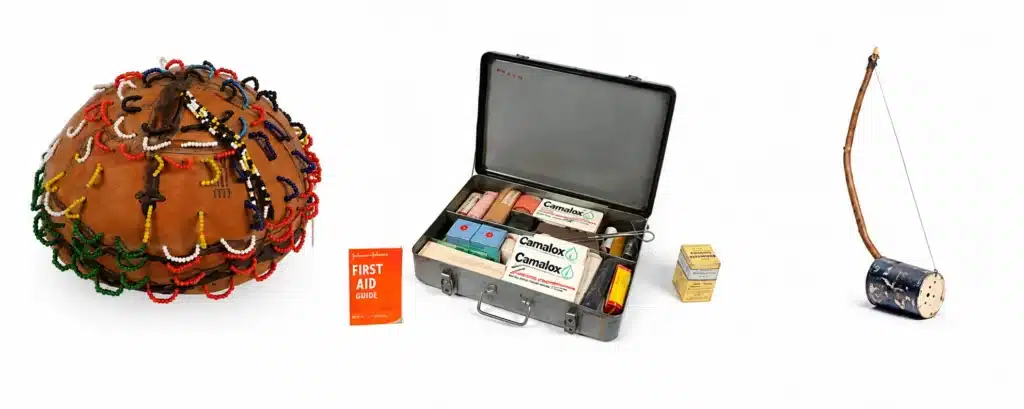
65 years. 65 objects. 65 remarkable stories.
There is no single Peace Corps story. Since 1961, Volunteers have lived and worked in communities around the world—in cities and villages, classrooms and clinics, farms, workshops, offices, and homes. Every Volunteer arrived with a different identity, set of expectations, and understanding of America. Every community brought its own histories, knowledge, traditions, aspirations, and ways of life.
Together, these objects reveal the remarkable range—and complexity—of those encounters.
Programming
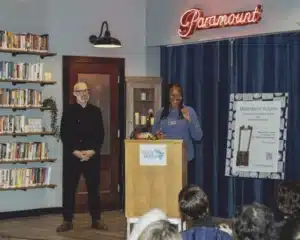
Exhibit Opening | November 10, 2026
Join the Museum of the Peace Corps Experience at the Martin Luther King Jr. Memorial Library as we open 65 Objects That Changed the World and celebrate the people, communities, and relationships behind the objects.
Throughout its four-month run, the Museum will present conversations, storytelling, film, educational programs, and special events featuring Returned Peace Corps Volunteers, artists, scholars, community partners, and others whose experiences bring these histories to life.
Subscribe to our newsletter to receive updates on exhibit programming.
Visit
Martin Luther King Jr. Memorial Library
901 G Street NW
Washington, D.C. 20001
On View: November 10, 2026–March 7, 2027
Admission: Free
Credits
65 Objects That Changed the World is organized by the Museum of the Peace Corps Experience with the generous participation of Returned Peace Corps Volunteers, host-country partners, artists, lenders, archives, community organizations, and supporters whose objects and stories make the exhibition possible.
Sponsorship opportunities are still available. Contact fundraising@peacecorpsmuseum.org with inquiries.