Overview
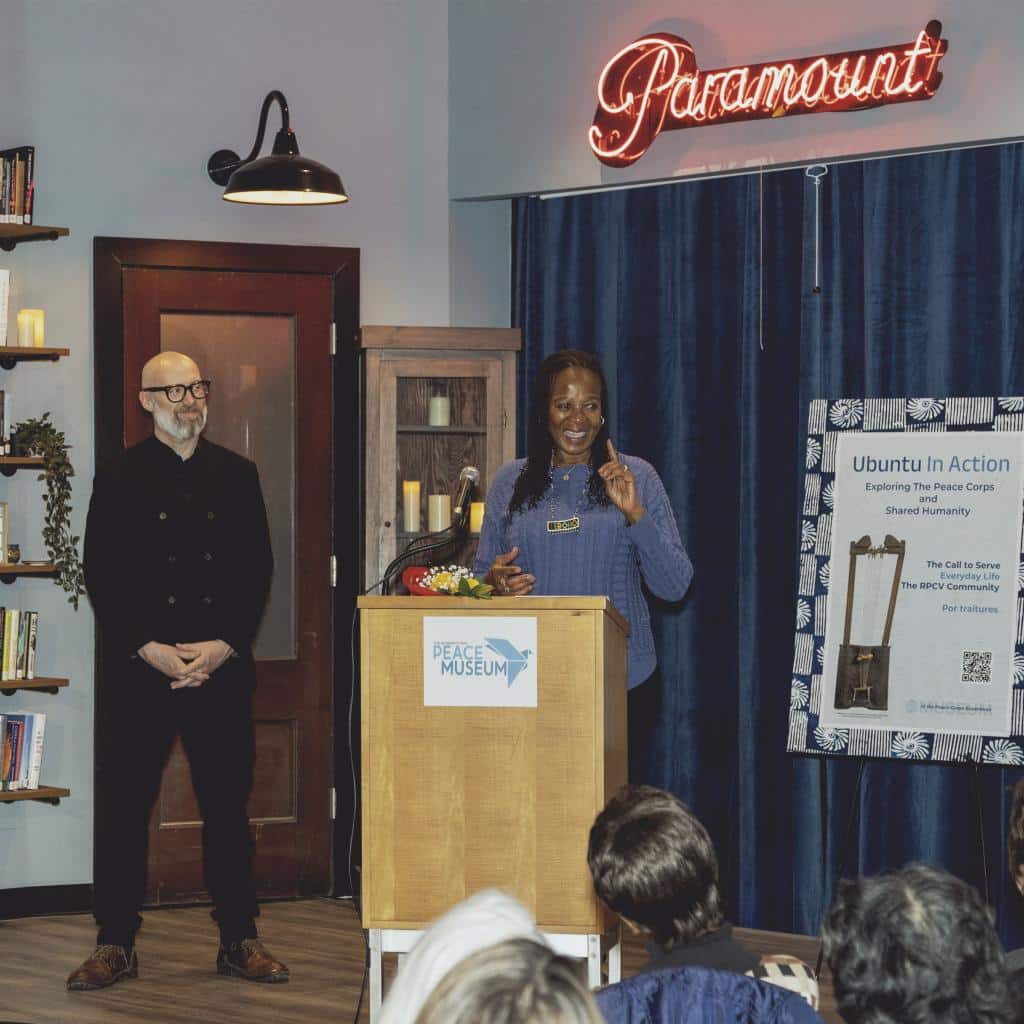
Ubuntu in Action: Exploring Peace Corps Service and Shared Humanity invited visitors to consider how peace is built through relationships, care, and shared responsibility. Organized by the Museum of the Peace Corps Experience in partnership with the International Peace Museum, the exhibition used artifacts, artworks, Peace Corps posters, portraiture, and interactive community art to explore the South African philosophy of Ubuntu: “I am because we are.”
Ubuntu emphasizes interconnectedness, mutual respect, compassion, and the belief that one person’s well-being is tied to the well-being of others. Through the lens of Peace Corps service, the exhibition explored Ubuntu as a practice of everyday peacebuilding: teaching, learning, listening, making, sharing, and building relationships across difference.
Presented for both the Peace Corps community and the general public, Ubuntu in Action featured rare artifacts, vivid visual culture, social media-friendly installations, and participatory activities designed to encourage reflection on empathy, service, and global citizenship.
Explore the Exhibition
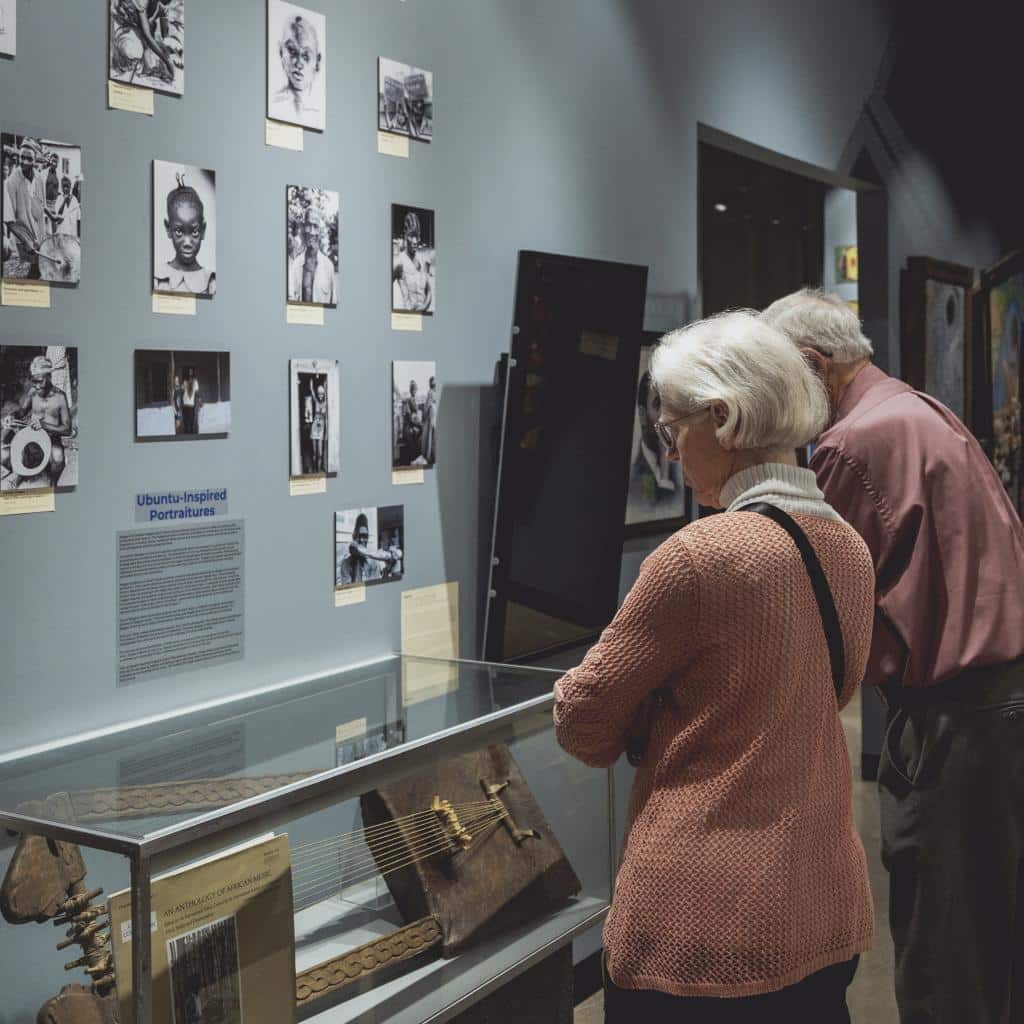
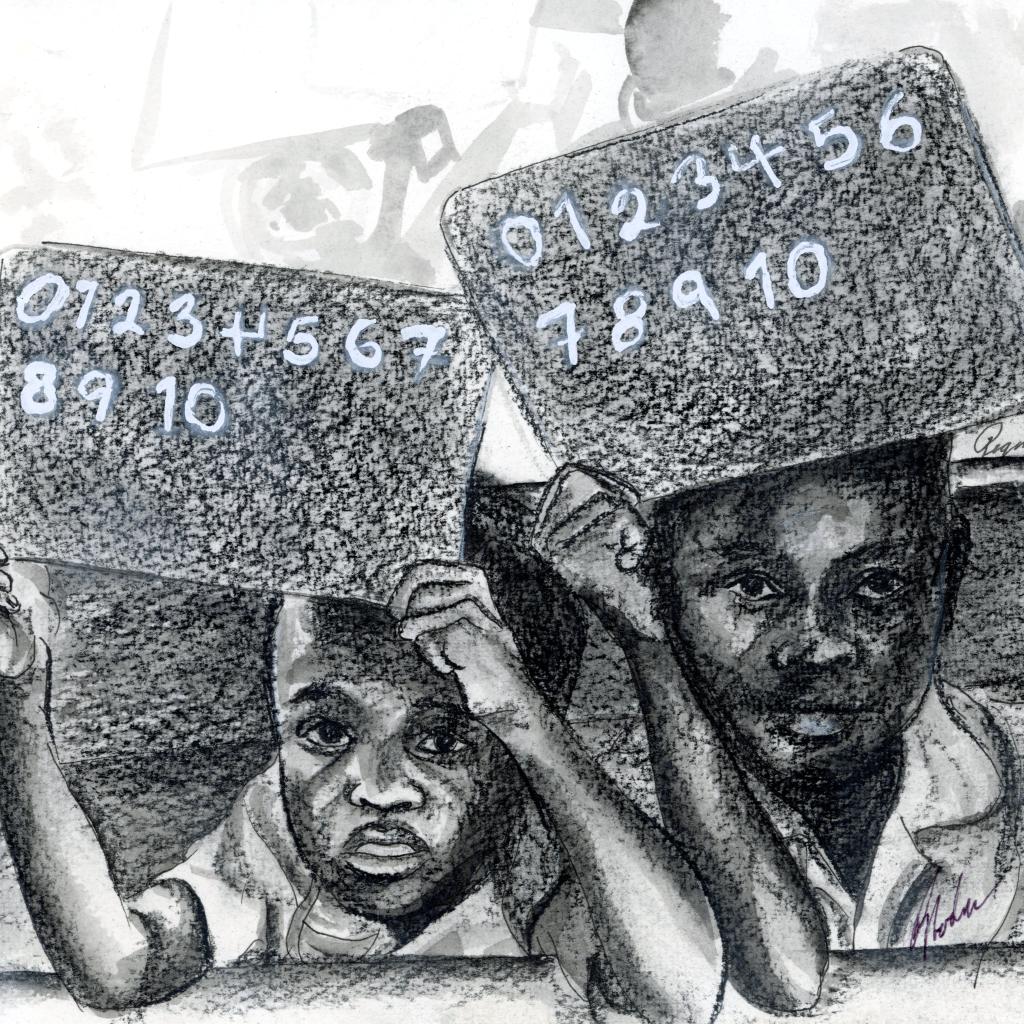
Ubuntu-Inspired Portraiture
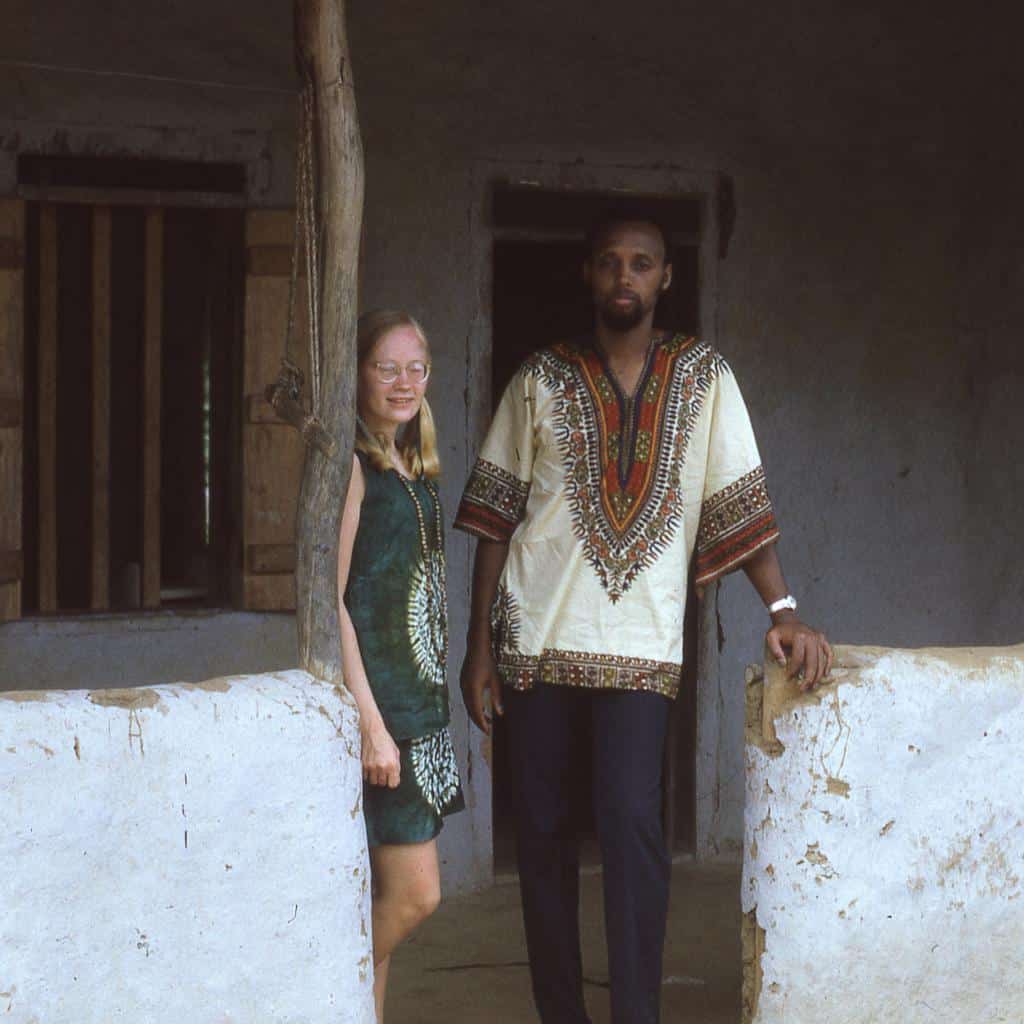
Drawings and photographs by Returned Peace Corps Volunteers Reggie and Celeste Hodges illuminated the emotional power of portraiture and artistic exchange. Created during and after their service in Sierra Leone, the works reflected moments of intimacy, dignity, friendship, and mutual curiosity. Through both photography and drawing, the Hodges documented relationships formed through everyday life and community connection.
Ubuntu in Everyday Life
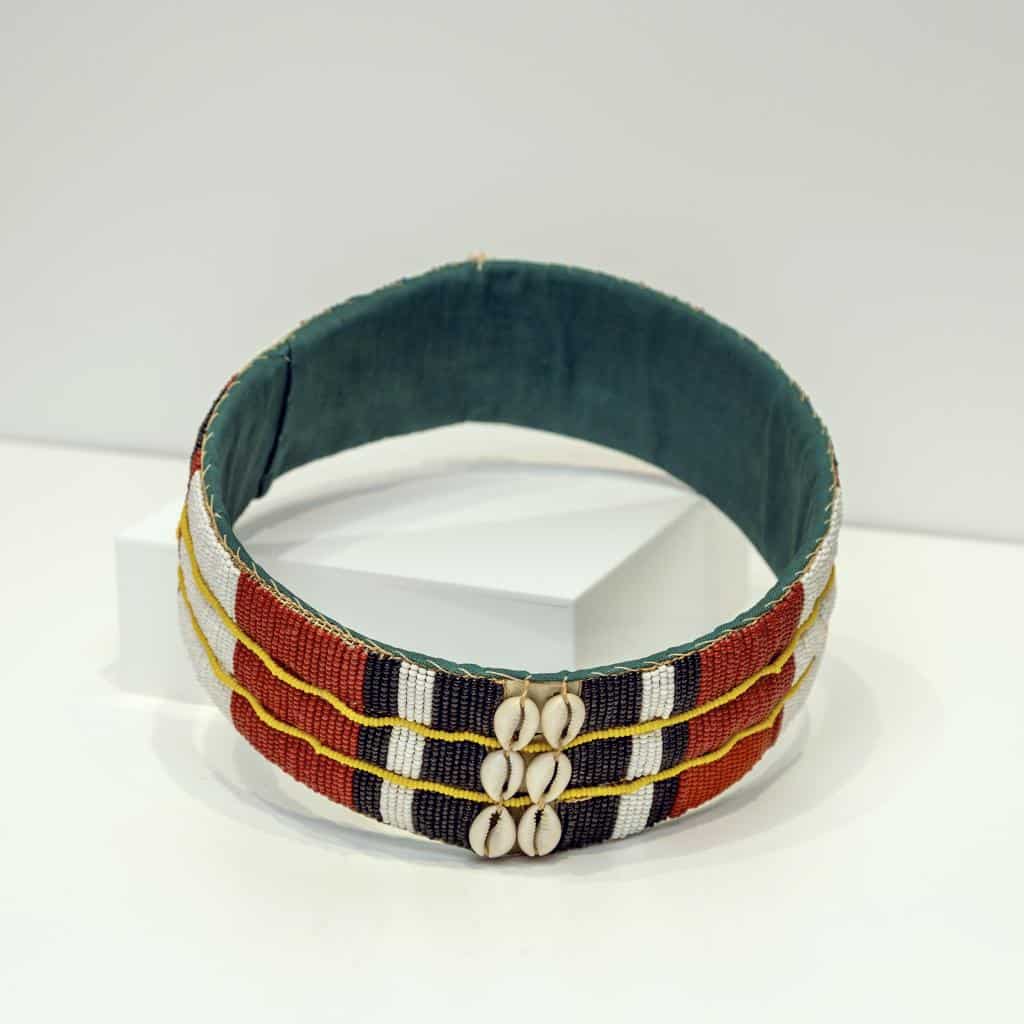
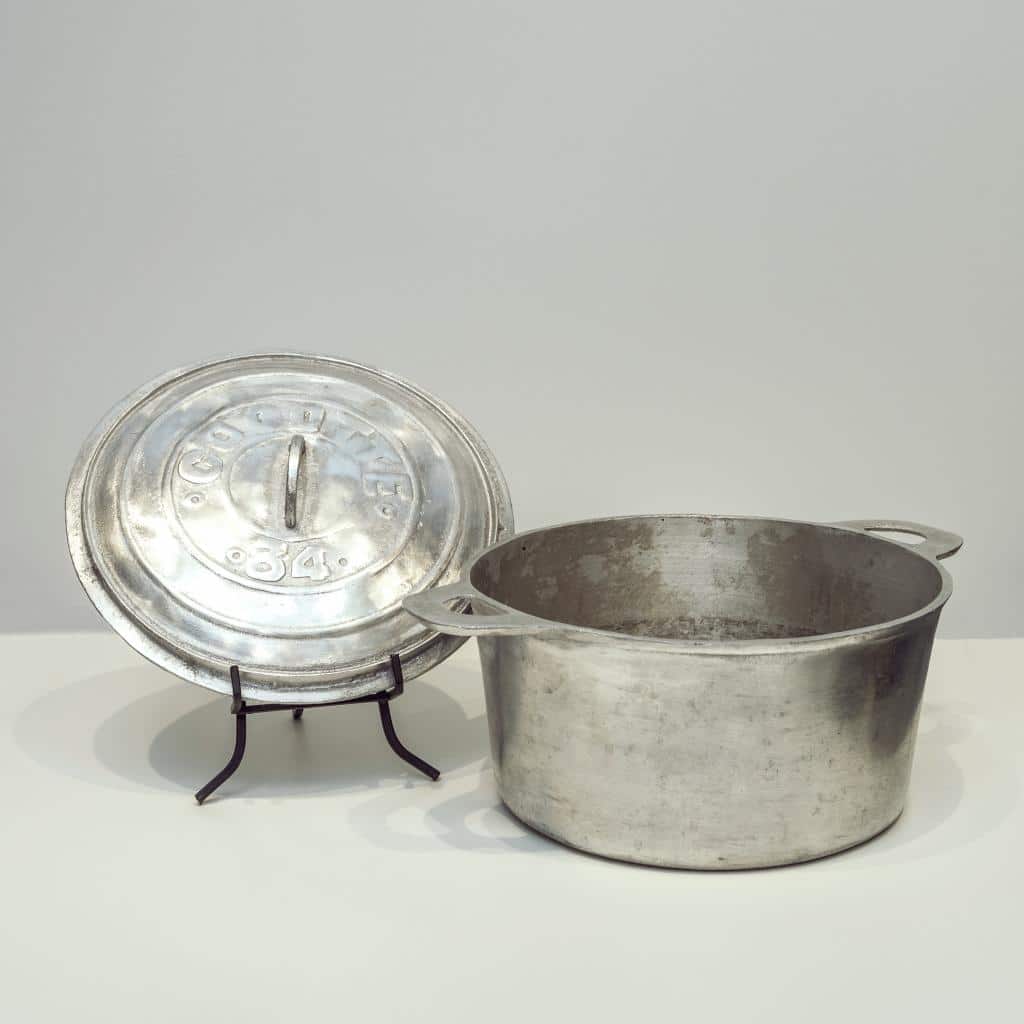
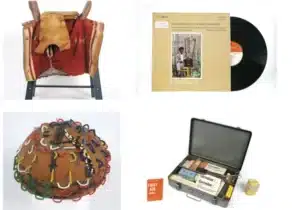
Artifacts from Peace Corps service demonstrated how ordinary objects can carry extraordinary stories. Sleeping mats, musical instruments, cooking vessels, sandals, medical kits, and textiles revealed lessons in adaptation, reciprocity, hospitality, resilience, and cultural learning. The exhibition emphasized that peacebuilding often emerges through small acts of exchange and shared daily experience.
Interactive Community Art
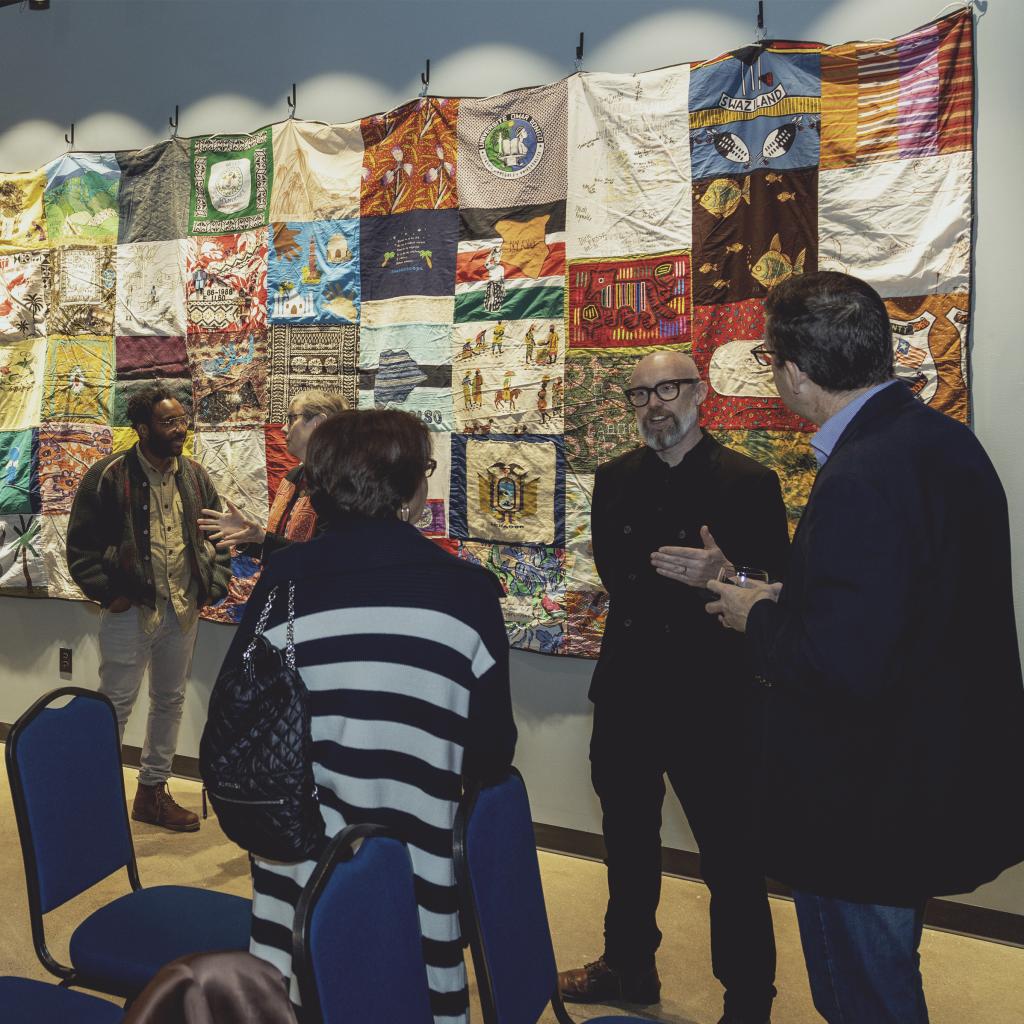
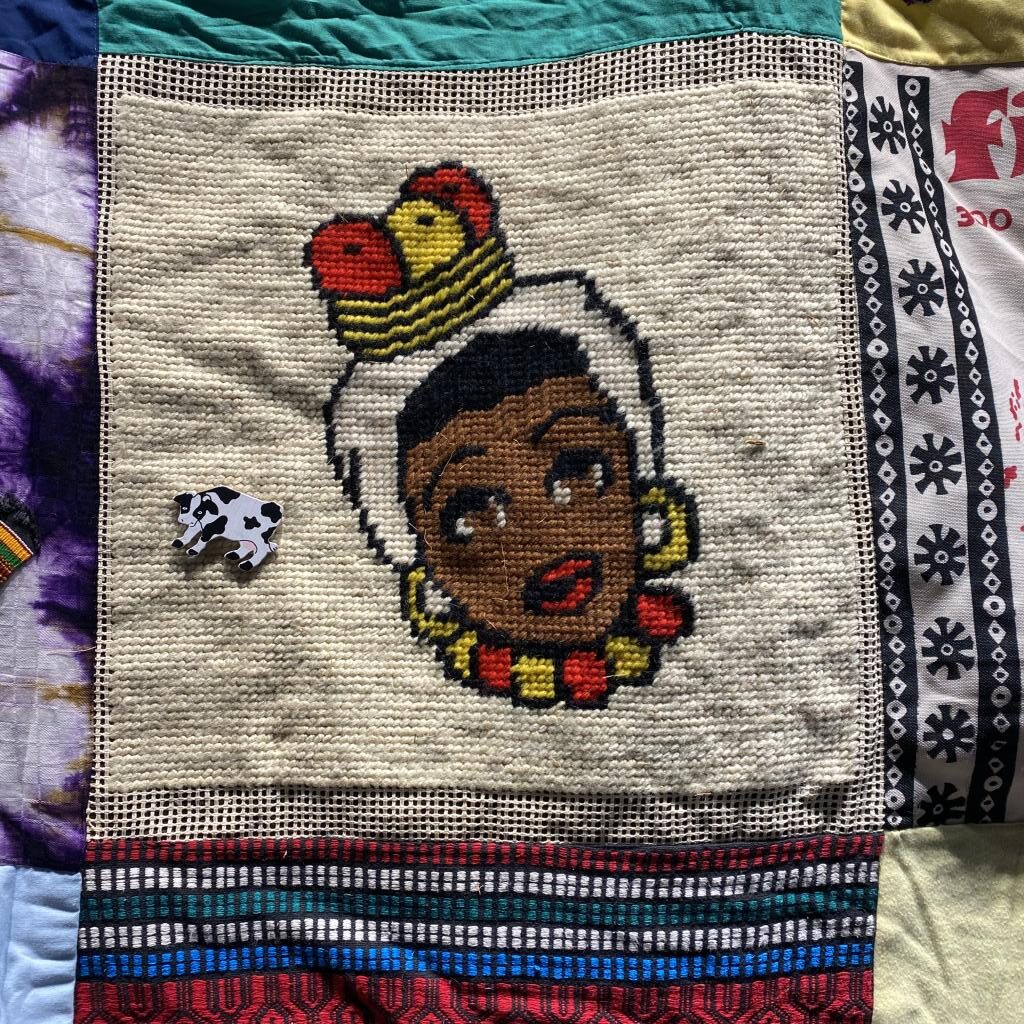
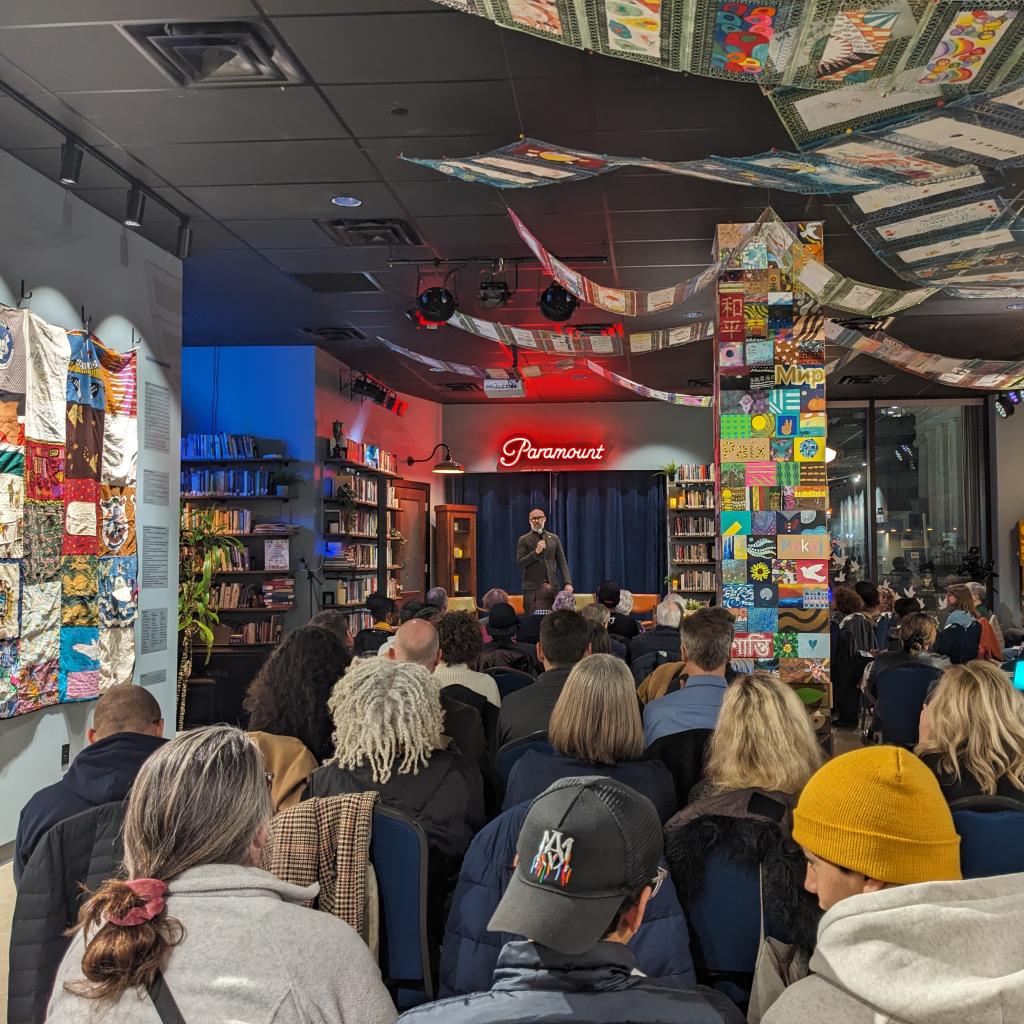
The exhibition featured Patchwork of Peace, a 27-foot community quilt created by Returned Peace Corps Volunteers during the 1990 National Peace Corps Association conference in Eugene, Oregon. The quilt reflected the enduring bonds among RPCVs and the broader alumni networks that continue to foster community engagement, international partnership, and mutual support decades after service.
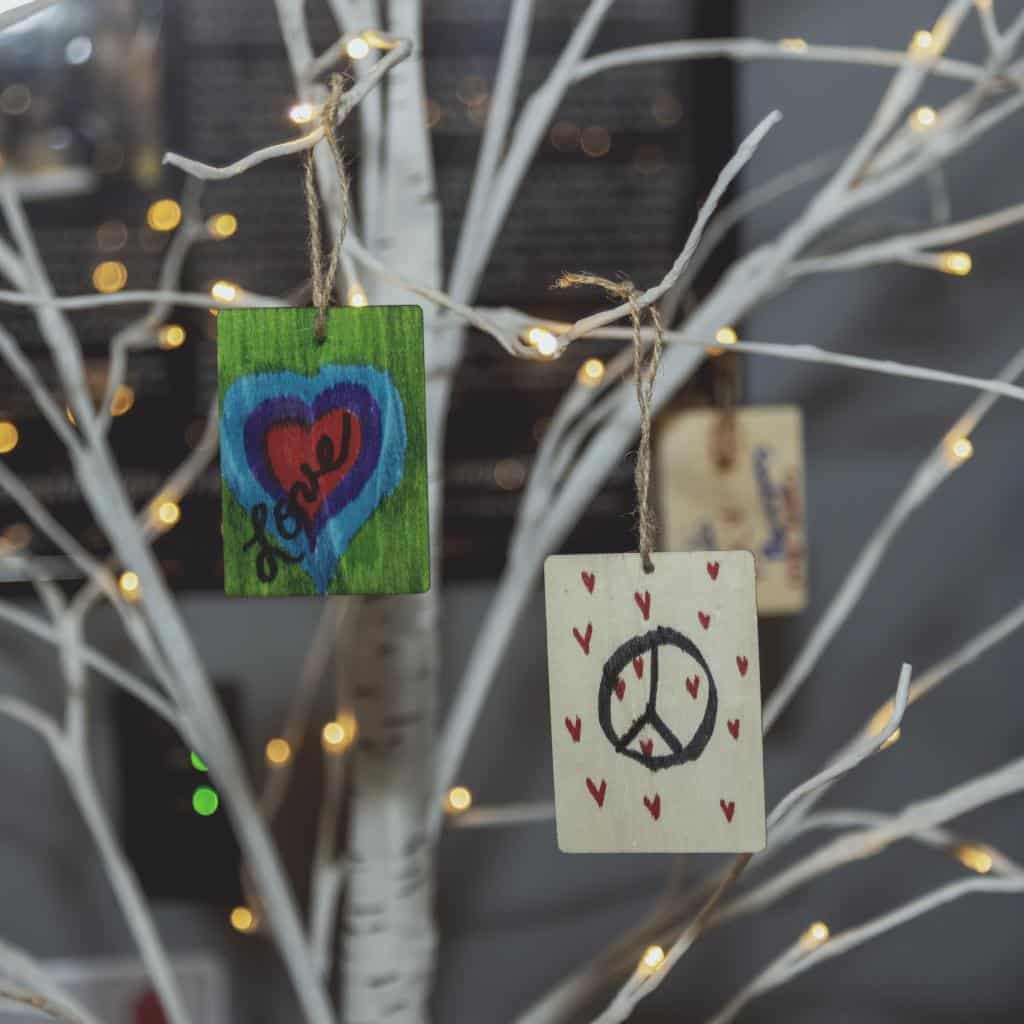
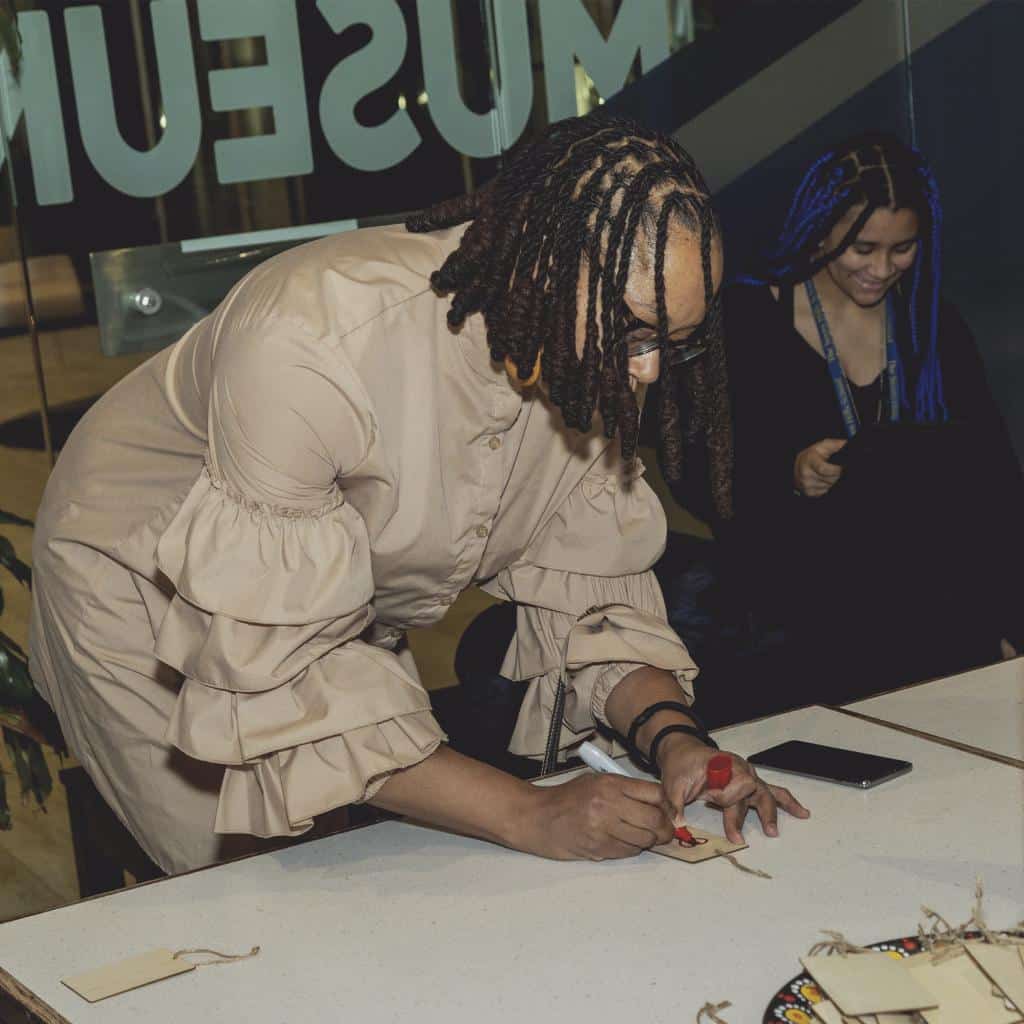
Visitors were invited to contribute to a participatory art installation inspired by Ubuntu and the Patchwork of Peace quilt. The installation encouraged guests to reflect on peace, interconnectedness, and their own role in building compassionate communities, transforming the exhibition into both a reflective and collaborative public experience.
Exhibition Highlights
Public Programs and Events
Ubuntu in Action was presented as part of the International Peace Museum’s 2025 Season of Nonviolence and included exhibition openings, lectures, artist talks, performances, and community engagement events exploring peacebuilding, shared humanity, and public dialogue.
Programs connected the exhibition to broader conversations around racial justice, migration, environmental responsibility, intercultural understanding, and the role of public humanities in civic life.
Presented By
Ubuntu in Action was presented by the Museum of the Peace Corps Experience in partnership with the International Peace Museum.
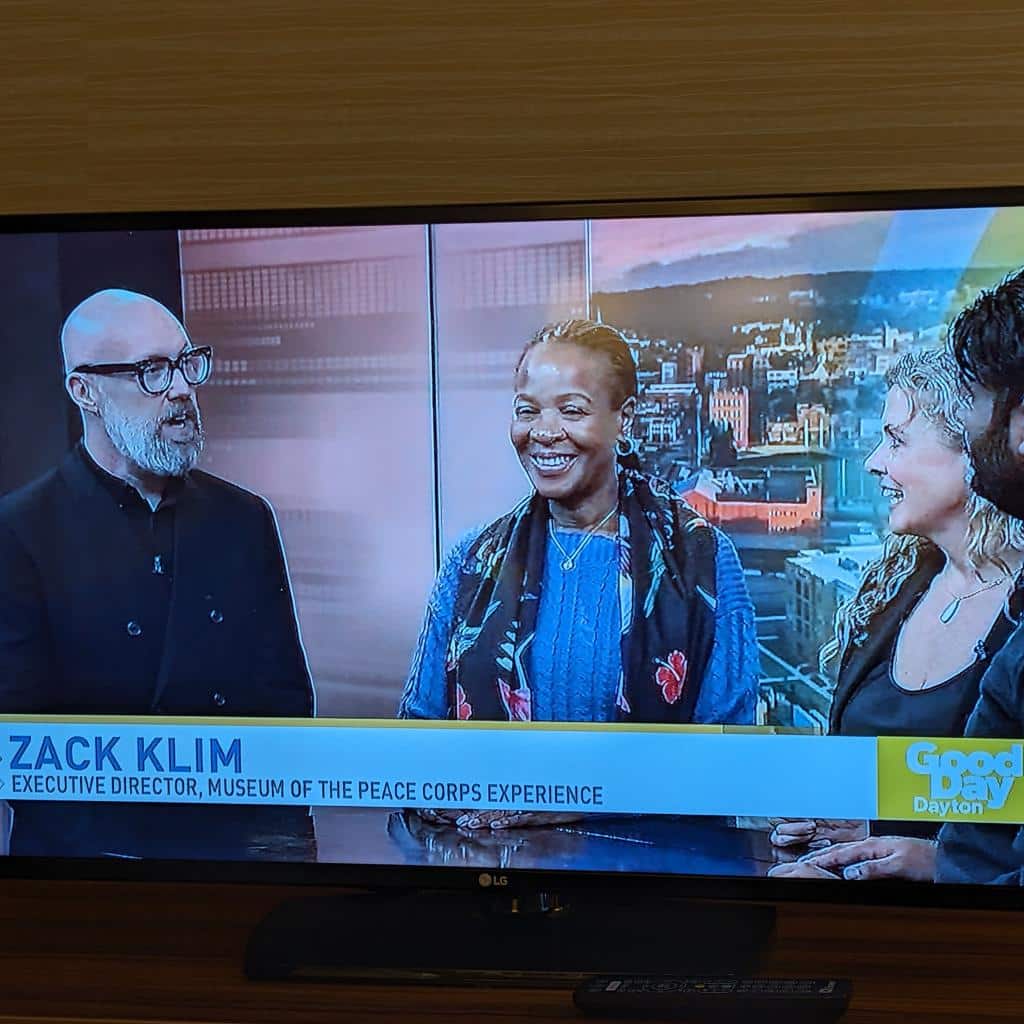
The exhibition was curated by Zack Klim, Ph.D., Executive Director of the Museum of the Peace Corps Experience, in collaboration with colleagues, volunteers, artists, and supporters from across the Peace Corps community.
Special thanks to all Returned Peace Corps Volunteers, lenders, donors, partner organizations, and community members who contributed stories, objects, expertise, and support to the exhibition.
About the Museum of the Peace Corps Experience
The Museum of the Peace Corps Experience is a museum startup dedicated to collecting, preserving, and sharing stories and objects related to Peace Corps service and global citizenship. Through exhibitions, educational programming, oral histories, and partnerships, MPCE explores themes of peacebuilding, cultural exchange, public service, and shared humanity.
Although the Museum does not yet maintain a permanent exhibition facility, partnerships with libraries, museums, and cultural institutions across the country continue to expand public access to this growing national collection.
Support This Work
Ubuntu in Action reflected the Museum’s ongoing commitment to preserving public history and creating exhibitions that connect global stories to contemporary civic life.
Support from donors, sponsors, and community partners helps the Museum:
- preserve artifacts and oral histories
- expand digital access to collections
- create traveling exhibitions
- engage new audiences through public humanities programming
- preserve the legacy of Peace Corps service for future generations