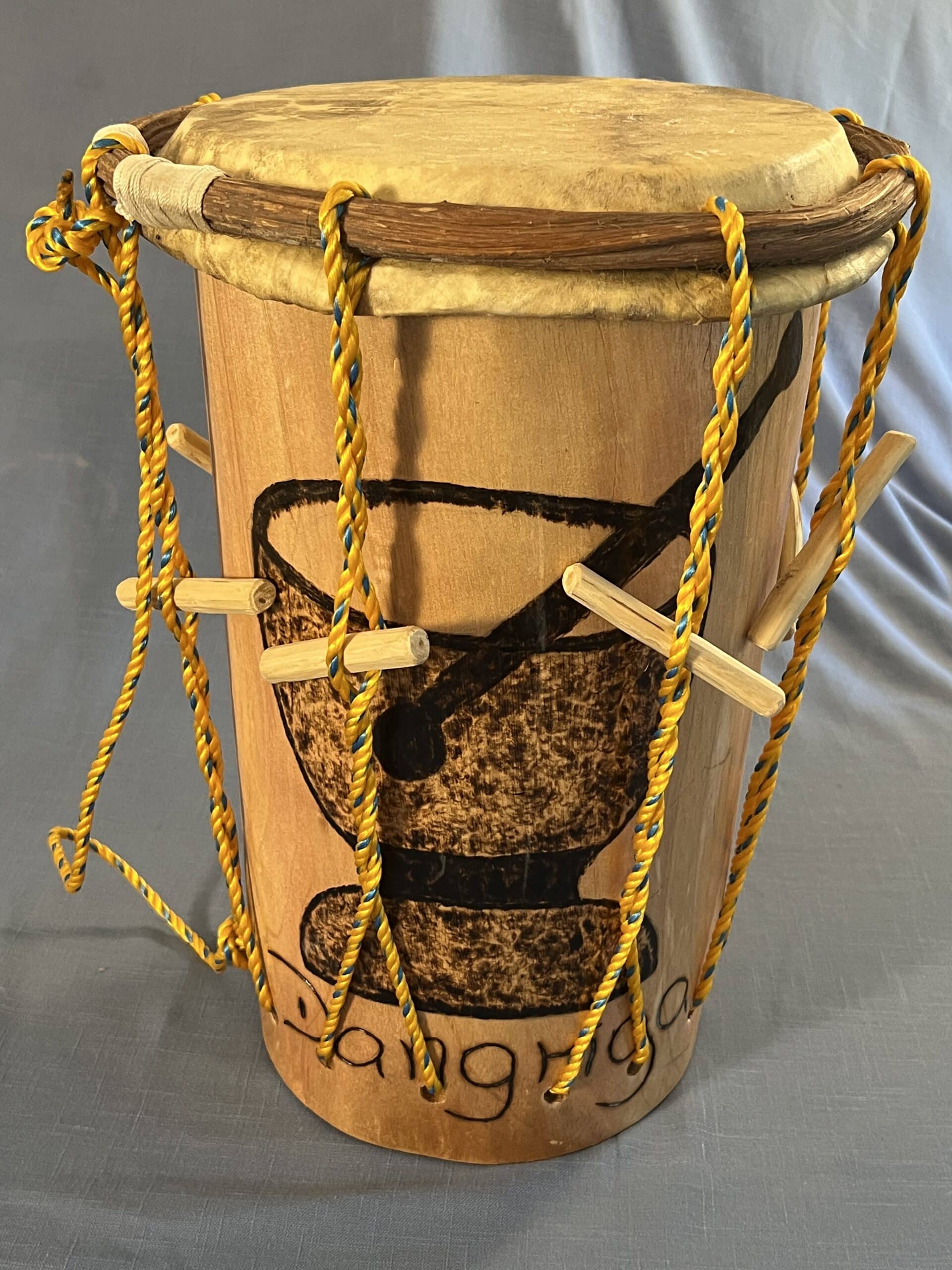
A sacred symbol of the deep connections I formed, the boundless generosity I received, and the enduring beauty of Garifuna heritage.
Ava Hacker
Belize 2011-2013
“Buiti binafi!” I called out the Garifuna greeting to everyone I passed in the vibrant streets of Dangriga, Belize. It translates to “Good morning!”—though local Belizeans call it “bidding the time of day,” a daily ritual that serves as the heartbeat of this warm, welcoming culture.
Among those who welcomed me most deeply was my Peace Corps host mother, Ms. Cas. She didn’t just share a corner of her home with me; she handed me a generous piece of her heart and her Garifuna culture.
From 2011 to 2013, I served as a U.S. Peace Corps Literacy Volunteer in Dangriga. Our mission was to support and train elementary teachers in effective reading instruction while also teaching children how to read. The local educators were eager to strengthen their craft, greeting me with open arms and open minds.
Teaching children to read in English proved far from simple. While English is the official language in this former British colony, Belizean Kriol is the true lingua franca, and in Dangriga, Garifuna echoes through many homes. Add to the mix Spanish-speaking immigrants from Central America and native speakers of three distinct Maya languages.
Before joining the Peace Corps, I had spent over thirty years teaching in U.S. bilingual education programs, navigating both Spanish and English from elementary classrooms to high school halls. Arriving in Belize, I naturally assumed I had a wealth of knowledge to offer my new colleagues. Instead, I quickly learned just how much they had to teach me.
The students in Belize were remarkably polite, attentive, and respectful. Even in sweltering 90-degree tropical heat, without air conditioning, with scarce books, and with little more than a single chalkboard, teaching a room full of eager children was a pure joy.
My direction came with extraordinary trust. The District Education Manager for Stann Creek, a brilliant and accomplished woman overseeing dozens of schools, had little time to micro-manage another volunteer. She handed me a list of five schools, wished me well, and left the rest to my discretion. What I built there was entirely up to me.
Heeding Peace Corps advice, I prioritized observation over immediate action. I spent my first few months listening, watching, and learning—sitting quietly in classrooms, chatting with teachers, sharing lunches with principals, and playing reading games with students. Only after earning their trust and understanding their true needs did I begin offering suggestions. Before long, schools across the district were inviting me to lead professional development workshops.
I spent many evenings designing hands-on “Make-It, Take-It” sessions. Resourcefulness became our art form: I introduced engaging literacy activities, while the teachers supplied their own paper, markers, scissors, and rolls of clear packing tape to substitute for expensive laminating sheets. Together, we laughed, shared ideas, and crafted classroom materials ready to use the very next morning. With every workshop, my respect for these dedicated educators deepened—and so did our friendships.
One teacher in particular, Ms. Dez, became my guide to Garifuna culture. Through her, I learned the remarkable story of the Garinagu—descendants of West Africans who escaped enslavement, found refuge on the island of St. Vincent, and eventually settled along the Caribbean coasts of Honduras, Guatemala, and Belize.
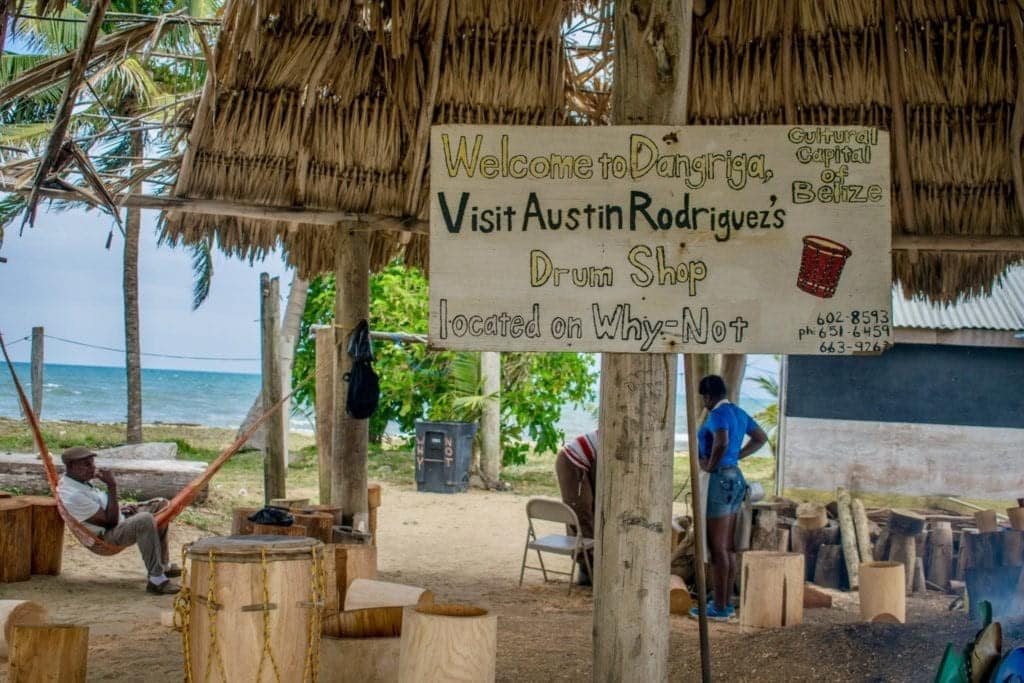
I was fortunate to live just around the corner from a traditional drumming school that practiced every afternoon. As I ate dinner each evening, the Caribbean breeze drifted through my open windows, carrying the rhythmic heartbeat of Garifuna drums. This school taught many of the same children I encountered in the schools. Garifuna culture, including its music is inextricable woven into the fabric of life in Dangriga.
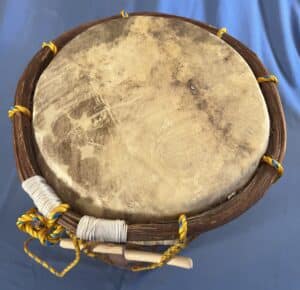
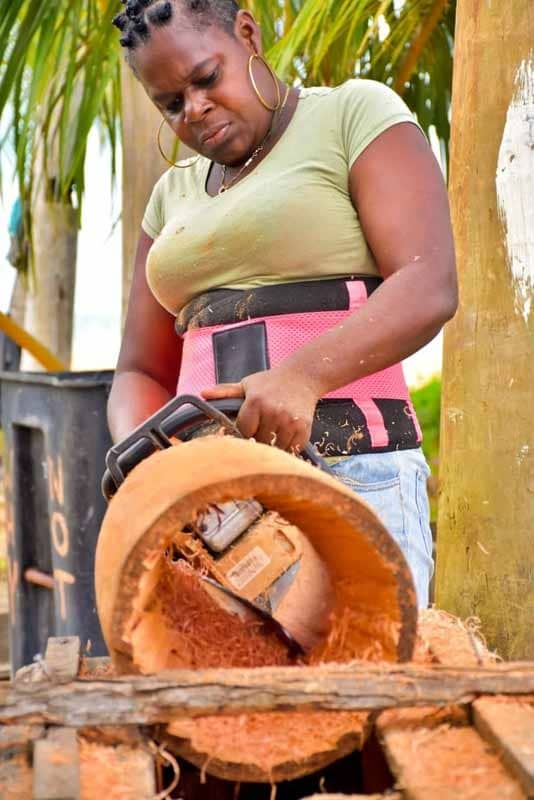
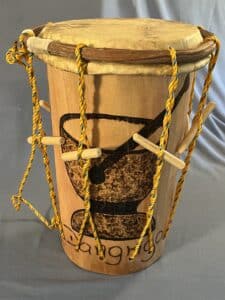
When my Peace Corps service ended in May 2013, two master drum makers, Ms. Daytha Rodriguez and her father, Austin Rodriguez, presented me with an extraordinary parting gift: a handcrafted Garifuna drum. They offered it in gratitude for my work in their schools and in their community but to me, it represented something far greater. It became a sacred symbol of the deep connections I had formed, the boundless generosity I had received, and the enduring beauty of Garifuna heritage.
For over a decade, this magnificent drum has held a place of honor in my home, sparking countless conversations about the resilience, music, and rich history of the Garinagu. May it continue to inspire curiosity, respect, and admiration for the Garifuna culture, just as it has in me.