“The ball is a powerful tool against poverty and violence” Pele.
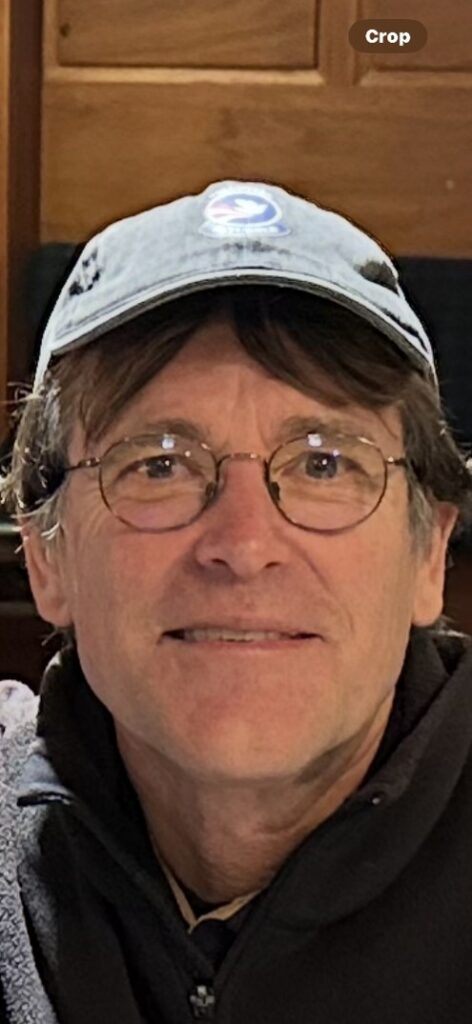
Mike Mitchell
Niger 1983-1985
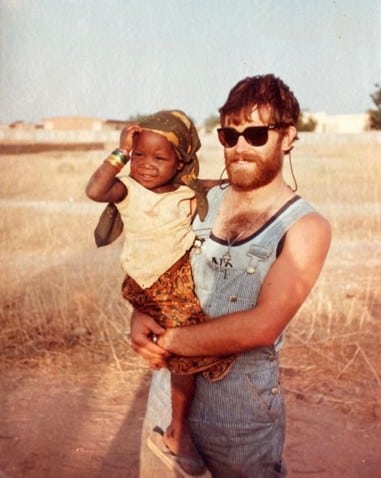
When I learned that I would be sent to Niger, in West Africa, a landlocked Sahelian country and one of the poorest in the world, I knew I was in for not only adventure but a challenge. My premonition was 100% correct. This was one of the Peace Corps’ toughest posts and had a high quitting rate. I made a promise to myself that I would not quit. Thank God I made that promise before I arrived!
My soccer teammate Paddy said, “Mike, you are going to a country where the people love soccer as much as we do, bring soccer balls.” I had no extra cash for balls. Then I came up with the idea of going to see Ray, the sports equipment manager at Chico University. He liked me because I always cleaned up the locker room before I left. He smiled and said “You came to the right place, Mike, and proceeded to deflate fifteen used soccer balls. I arrived in Niger with a suitcase full of deflated balls.
Assigned to the remote town of Diffa, I was greeted by the local officials as the new English teacher but I am a Physical Education & Health teacher! To boot, they greeted me in Beri Beri, but I had studied Hausa during training. I was dumbfounded, mad, and ready to quit, but I had made a promise before I left: “no matter what I am not going to quit!”
The very first person I met in Diffa loved soccer as much as I did. Even before showing me my mudbrick home he took me to see the soccer field. It was in bad shape, but I had all those balls in my suitcase. With local help I decided to create a soccer tournament and invite two neighboring villages to send their soccer teams. We spent three months organizing this tournament, getting the field ready and making uniforms the ‘Peace Corps way.’ (RPCV’s know what I mean.) The tournament was a success. The Prefect of Zinder, Lieutenant Colonel Moumouni Djermakoye Padamou, heard about the anasara (white person) in Diffa and his soccer balls. He transferred me to a school in the regional capital of Zinder. The Peace Corps Director was as surprised about this as I was.
I began teaching physical education at a high school, but the school had no balls. I brought some of my soccer balls to class, and the children and I had a blast every time. Soccer came naturally to them. Kickball and dodgeball did not, but every student left smiling from ear to ear. Truancy was rarely a problem. One day, another teacher asked if I wanted to train and play with Zinder’s semi-professional team, Équipe Espoir—Team Hope. I gladly accepted. I arrived for my first training session only to find that the team had only one practice ball. It had been repaired so many times that it had lost its bounce. The next day, I pumped up all fifteen balls, put them in my net, and walked to the field. When I arrived, I saw about fifty children following me, their eyes wide open. I realized they love soccer as much as I do. The team was thrilled, too. Most players did not have a ball; they relied on that one worn-out practice ball. Eager to control a ball they usually dribbled until they lost it instead of passing it to a team mate in a better position to score.
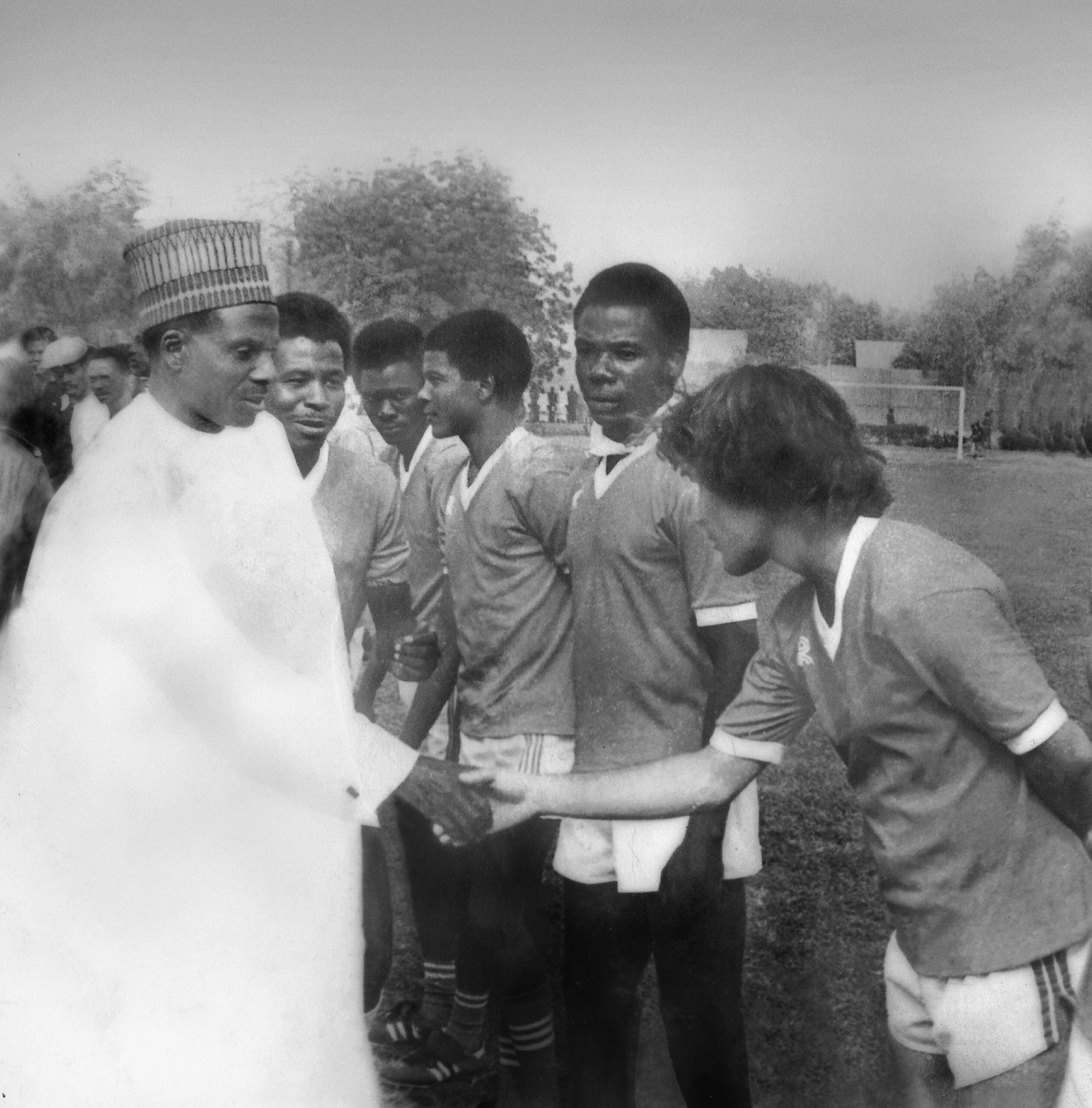
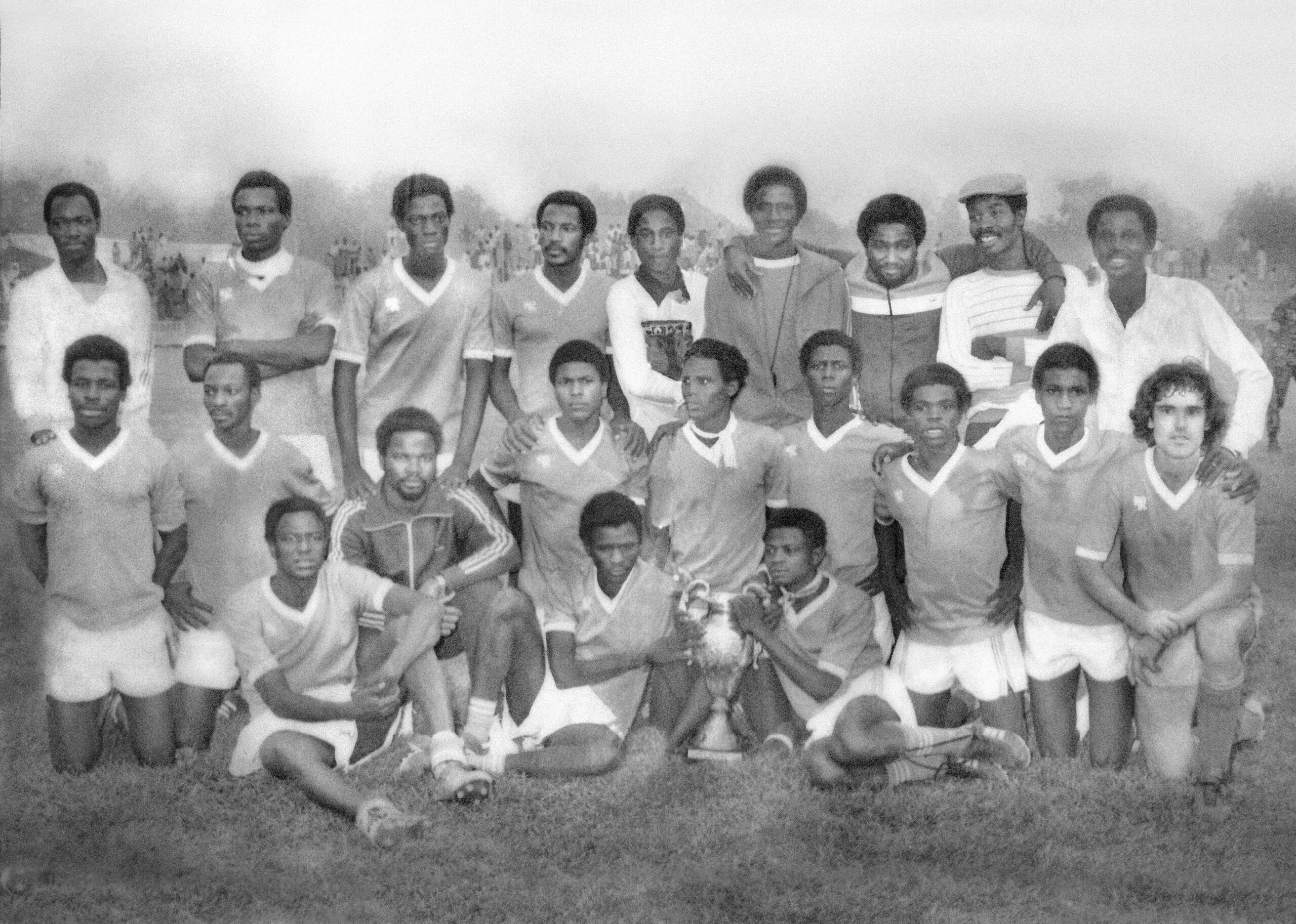
Team Hope won the 1984 Niger National Championship! I was the only white player on the field or even in the stadium. This was a bit intimidating until I got hit in the first minute of the game. Then I felt right at home. After the game President Kounche came up to congratulate us. He shook my hand and said, “Look how the ball brought us together today Mike.” That was the moment Project Play Soccer came into my mind.
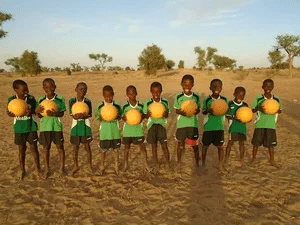
When I left Niger I thought, the least I can do is send soccer balls. I founded Project Play Soccer in 1990 and official non-profit status in 2005. Since then, Project Play Soccer (www.projectplaysoccer.org) has delivered over a half million dollars’ worth of balls in Niger, Benin, Uganda, and Kenya. However, I wished I could offer more than balls when people desperately need food. Once you experience people starving it is never far from your mind. In August 2026, I got the green light to organize a pilot Soccer Farm at Fair View High School in Chico California where I live. Players will not only train but learn how to grow food. Pele once said, “The ball is a powerful tool against poverty and violence. ” I know firsthand how true this is.