Posted to a Jamaican village without a project, a resilient volunteer finds purpose among children, teachers, and a fisherman.
Vivian Carroll
Jamaica 1969-71
I entered as a BA generalist and was the first Peace Corps Volunteer assigned to Dallas, Jamaica, in the Blue Mountains. The village consisted of a rum shop/post office/convenience store (think bun and cheese and a few canned goods) that measured about 4′ x 8′, a medical clinic, a primary school, 20 feet of paved road, and one street lamp. I was housed at the clinic. The clinic nurse would not tell me her real name as she had been grandfathered into this title based on practical experience rather than a formal certificate. She wanted me to call her Nurse, as everyone else did. I could understand her doing so as it was a title of respect. Each evening, she would turn on the generator attached to the clinic for a few hours to power the streetlight.
Nurse told me she did not need any help, so I introduced myself to the school principal. She did not see a need for me either. I did not find these encounters strange as I was sent to Dallas with no clear direction or suggestions, but it was frustrating. Luckily, a teacher who overheard our conversation said she would like help, so I worked individually and with small groups of children. I did the same at a small kindergarten, where they only had a blackboard and some benches. The Peace Corps office received many books, but I never saw any for children.
One child still haunts me today. Ester, age six or so, had a pronounced umbilical hernia, which I could feel every time she hugged me. I asked the Minister of Health, when she visited the clinic, if something could be done for her. The Minister asked if I could guarantee that the child would eat healthily, otherwise the hernia would return worse than before. I was devastated as this was my first interaction with childhood malnutrition and poverty and there was nothing I could do.
I started a women’s group. We met in a participant’s front yard and worked on items to sell and talked. I taught them how to make oil-can ovens so they could bake over a wood fire. Everyone was amazed at the cornbread we made.
With a Peace Corps friend who worked at a hotel training school, we sifted flour from Food for Peace/USAID to remove weevils for her school. I brought some back to my group but I had to walk or hitch rides so I could only carry a little.
While I enjoyed Dallas and loved working with the children who often came to visit me at home, I felt I could do more.
My second year was more fulfilling. While walking into Kingston, I passed through Papine and learned that the School for Hope for children with intellectual disabilities needed help. I volunteered there and moved into Kingston. Remember, it was 1970—there were no IEPs, medical records, or doctors’ notes available to me. I worried because I knew nothing of special education but they needed what all students need, love, encouragement and appreciation of their gifts. Students ranged from mildly autistic to severe ADHD. Gracie was blind, deaf, mute, and epileptic. She, along with six other students, lived in an old age home because they had been abandoned.
I did art with the limited supplies I could buy or that friends sent to me, as well as tactile experiences, and of course, reading. Isick (yes, that is how his name was spelled), was non-verbal among other challenges, would drum on anything with a great beat. The school had a record player and I bought an Olatunji album that he and other students loved. He would drum along to the music, and others moved or danced to the rhythm. I also helped teachers in their classrooms at their direction.
The school took the children on outings. Many had never been to the sea and we went to a beach. Walking in the wet sand, feeling the waves, and discovering shells brought everyone such joy.
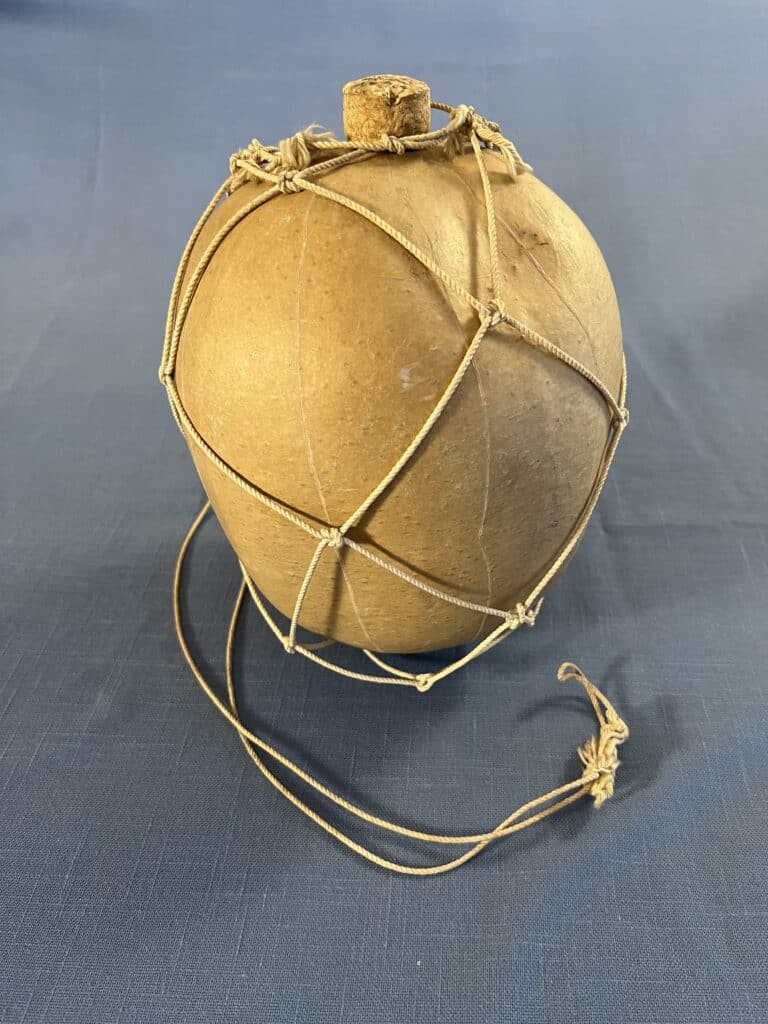
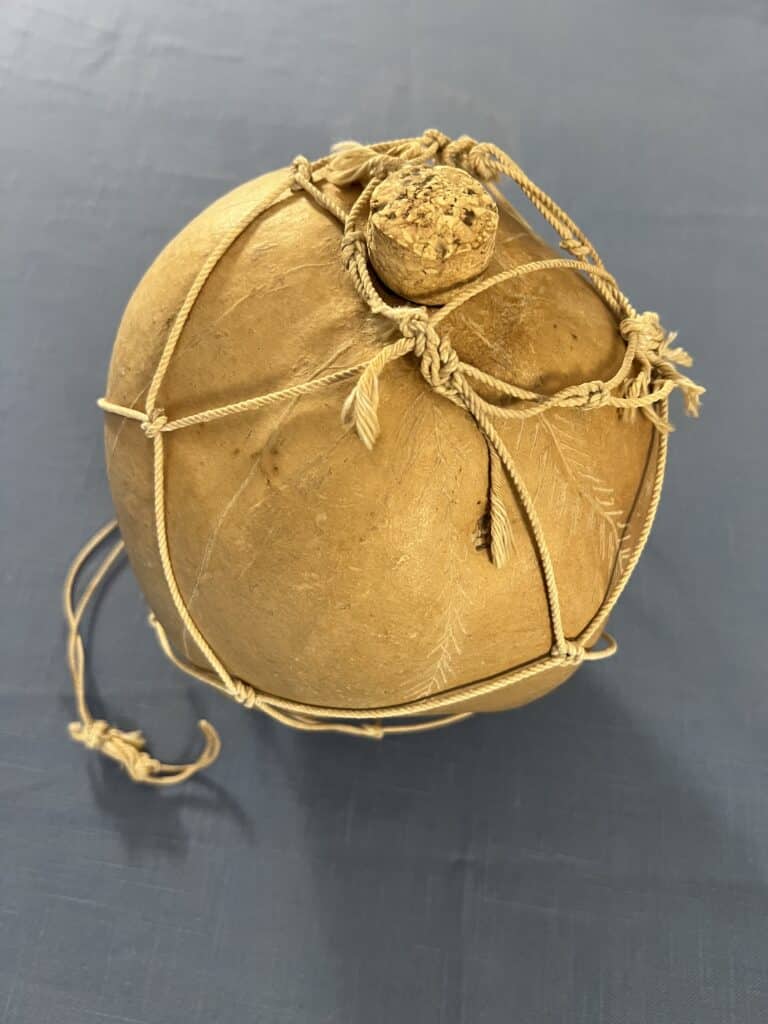
While there, I saw a man carrying a bundle of dried gourds. When I asked about them, he told me that he took his small boat out each day to catch fish to sell at market. He used the gourds to carry drinking water, since he was often out for long hours depending on the fishing. When empty, they floated behind the boat, ready to be used again on his next trip. He asked if I was visiting and I told him I was a volunteer in his country. He then gifted me a “gourdie,” as he called it, to remember him and Jamaica. I have loved it ever since and hung it up everywhere I lived. There is an incised design on it, though only two lines were completed—something I noticed only after I got home. When I look at it, I remember that day, the children, the sunshine, the waves hitting the shore, and the kindness of that Jamaican fisherman.
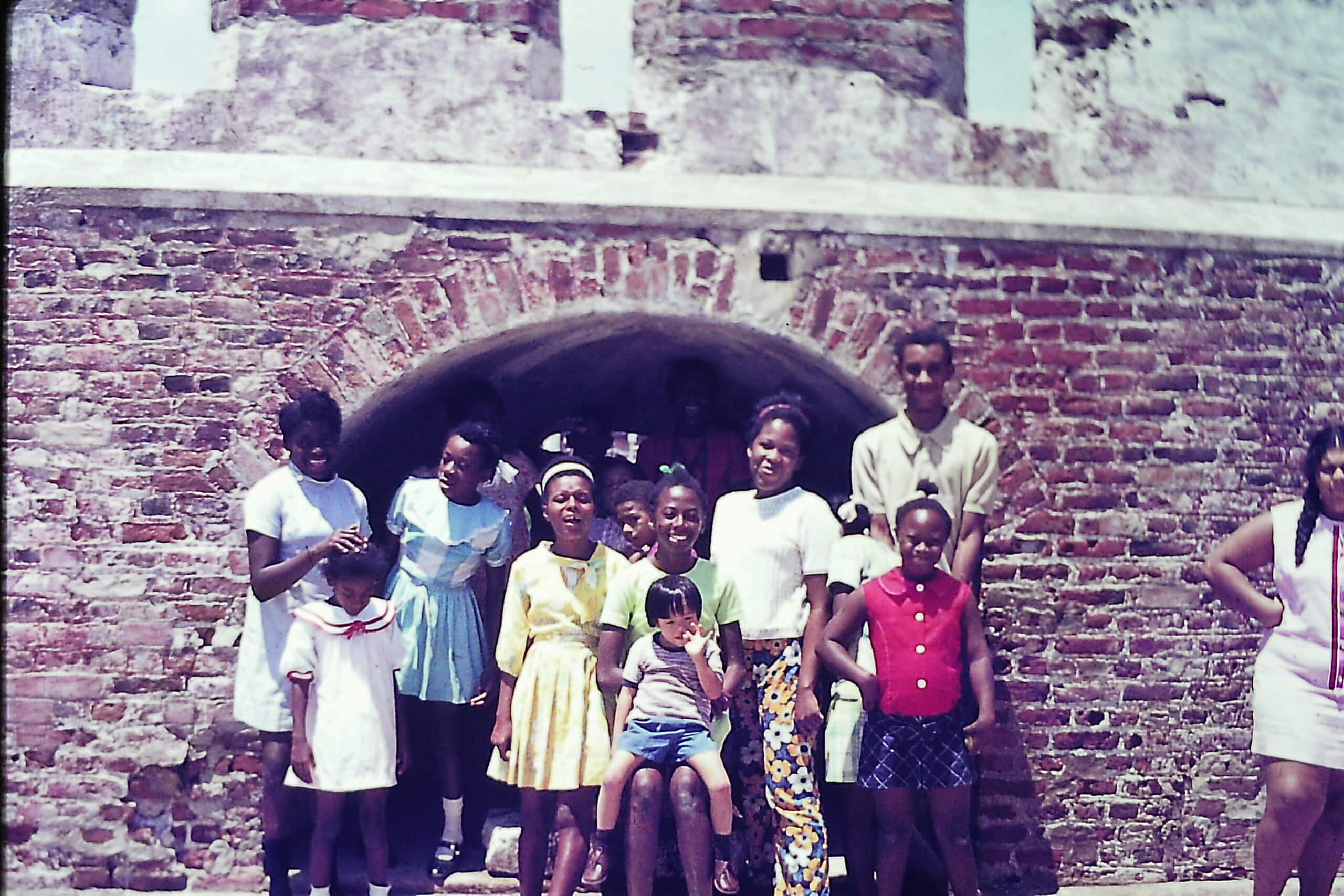
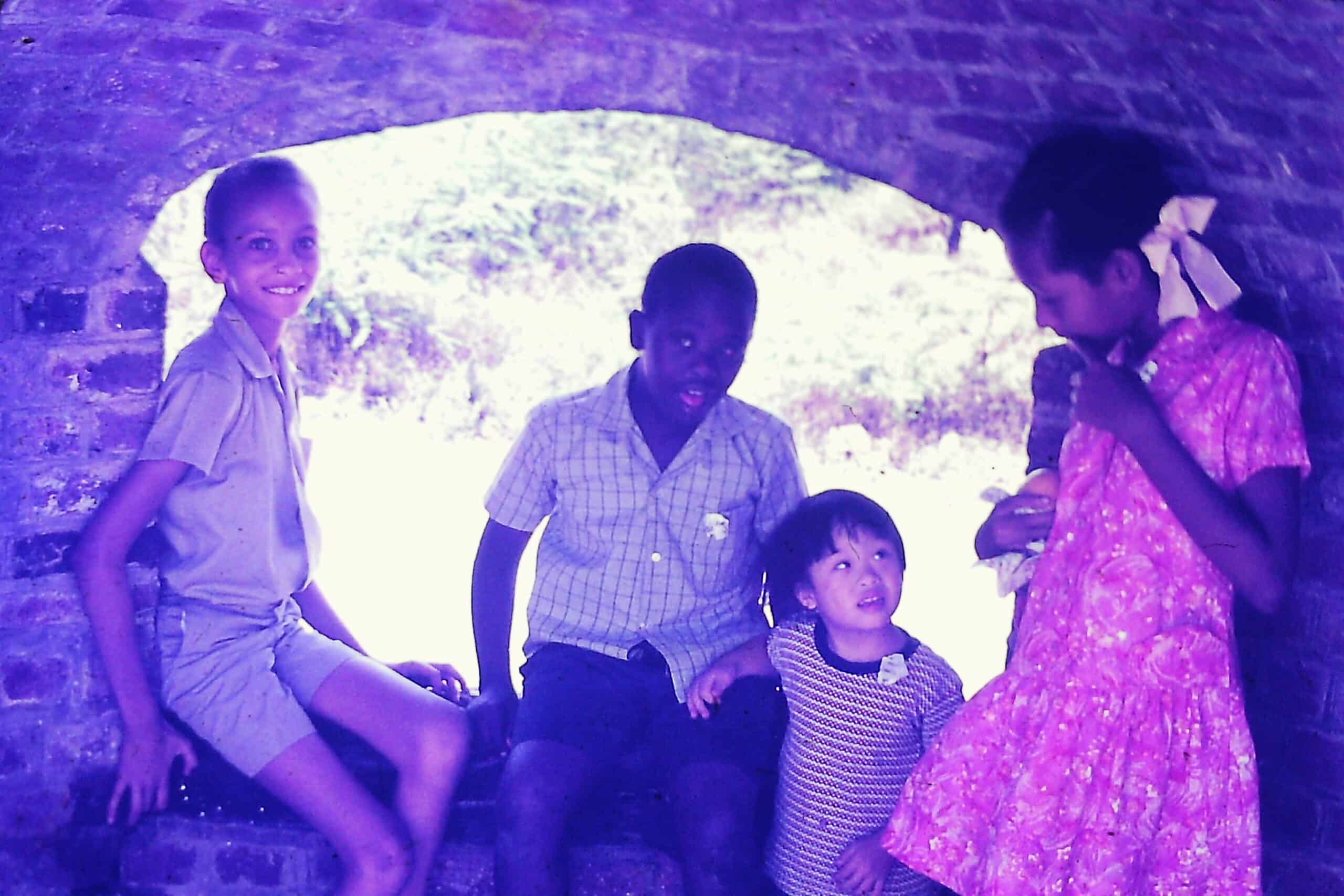
Children Playing
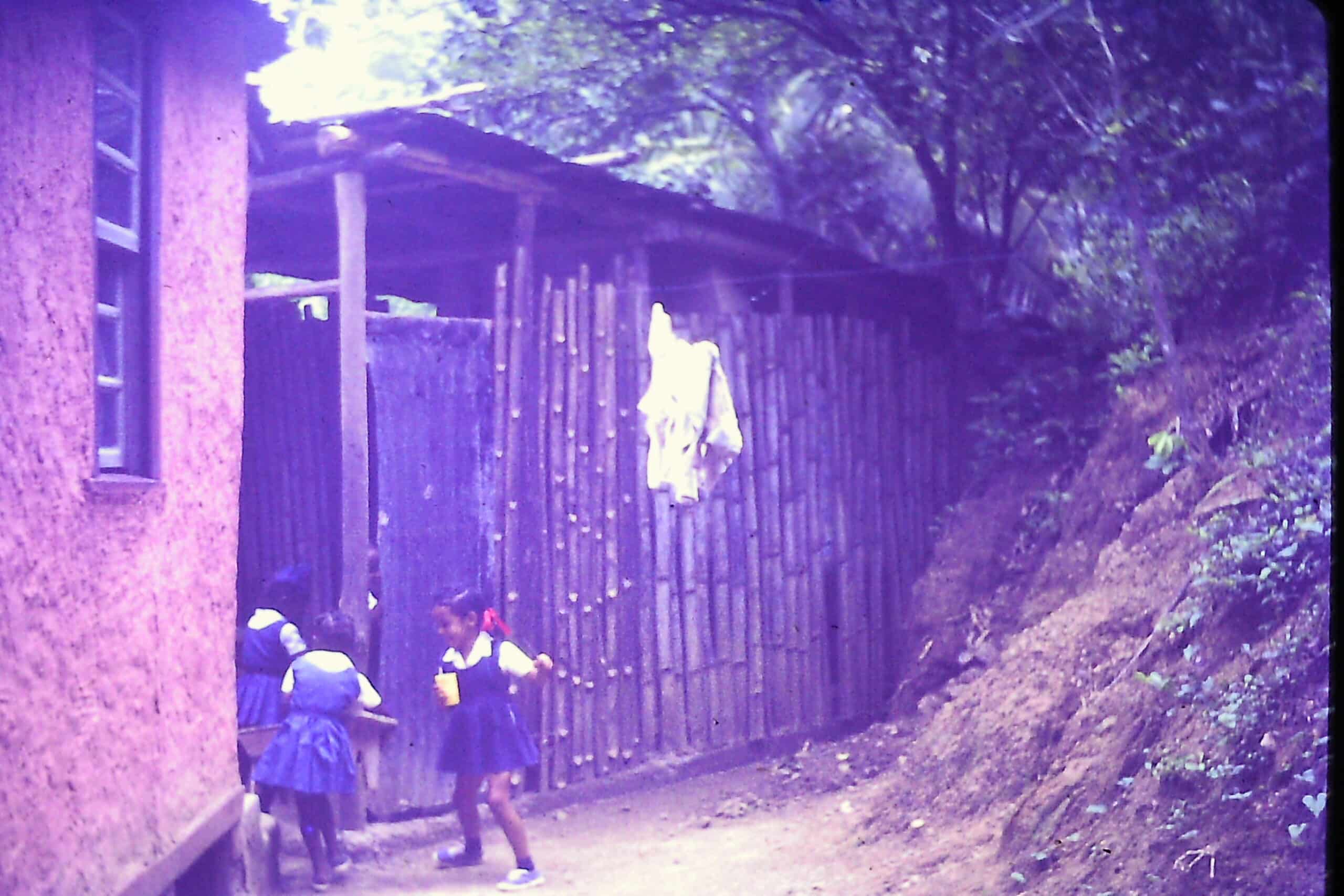
Dallas School
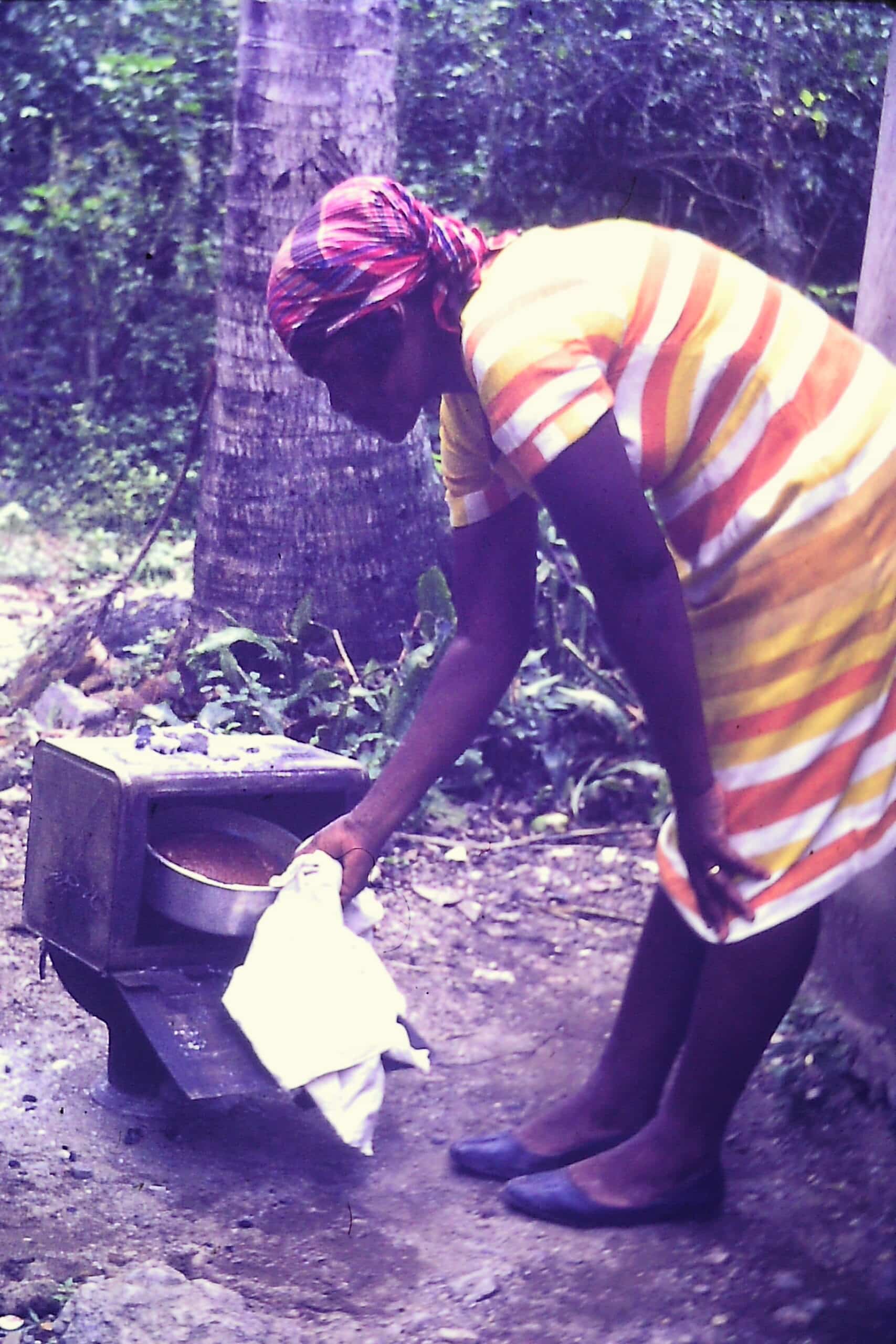
Baking in an Oil Can Oven